Beginner Tai Chi
Tuesday, Wednesday, Friday
10:00–10:45 AM
45-minute class
AUTHENTIC TAI CHI · BUFFALO & WESTERN NEW YORK
Balance. Strength. Calm.
Learn traditional Tai Chi in Blasdell, near Buffalo, with Sifu Robert A. Gott, a martial artist with over 50 years of experience. Discover a deliberate, welcoming practice built around movement, coordination, and focused attention.
Beginners welcome. No experience needed.

NEW TO TAI CHI?
Monday through Friday at 9:00 AM
By appointment only. Call to arrange your introduction and speak directly with the teacher. No Tai Chi experience is needed.
An online inquiry is a request; your appointment must be confirmed by the school.
MAKE TIME FOR YOUR PRACTICE
Tuesday, Wednesday, Friday
10:00–10:45 AM
45-minute class
Tuesday, Wednesday, Friday
11:00–11:45 AM
45-minute class
Tuesday, Wednesday, Friday
6:00–6:45 PM
45-minute class
All times are Eastern. Regular classes are 45 minutes. View the full class schedule and first-visit details →
A PRACTICE THAT MEETS YOU WHERE YOU ARE
Tai Chi brings slow, flowing movement and focused attention together. Whether you want to stay active, explore a traditional martial art, or make a little more room for calm, you can begin without being athletic or exceptionally flexible.
Practice steady weight shifts, coordinated movements, and awareness of how your body moves. Paying attention to how you stand, step, and turn gives each movement a clear purpose. The goal is to understand the connection between positions, rather than simply copy their shape.
Give your attention to slow movement and a comfortable rhythm, away from the rush of the day. Tai Chi offers a task to focus on in the present moment: following a movement, noticing your posture, and connecting one action to the next.
Learn something you can return to over time, at a pace that respects your starting point. Familiar movements can become the foundation for deeper study. A consistent, manageable routine gives you room to learn without turning every session into a test of performance.

NEW TO TAI CHI? YOU BELONG HERE.
Every experienced student was once a beginner. Learn gradually, ask questions, and get comfortable with the basics. You do not need to recognize a movement or remember a complete sequence before you arrive.
Starting is about becoming familiar with a new way of moving. Take time to notice how your posture, hands, and feet work together, and discuss your comfort level with your instructor. Adults returning to activity are just as welcome to ask questions as those trying Tai Chi for the first time.

Tradition, experience, and a personal approach.
MEET SIFU ROBERT A. GOTT
Since beginning his training in 1971, Robert has pursued the study of martial arts and Tai Chi with internationally respected teachers.
His path has taken him from decades of study to competition in China, where he earned four gold and two silver medals. Today, that experience is at the heart of Red Dragon’s Tai Chi instruction. His broader background includes Judo, Kenpo Karate, and Hung Gar Kung Fu, while Tai Chi is the school’s current program.
THE PRACTICE, IN MOTION
Connected movements, focused attention, and the shared rhythm of practicing together.
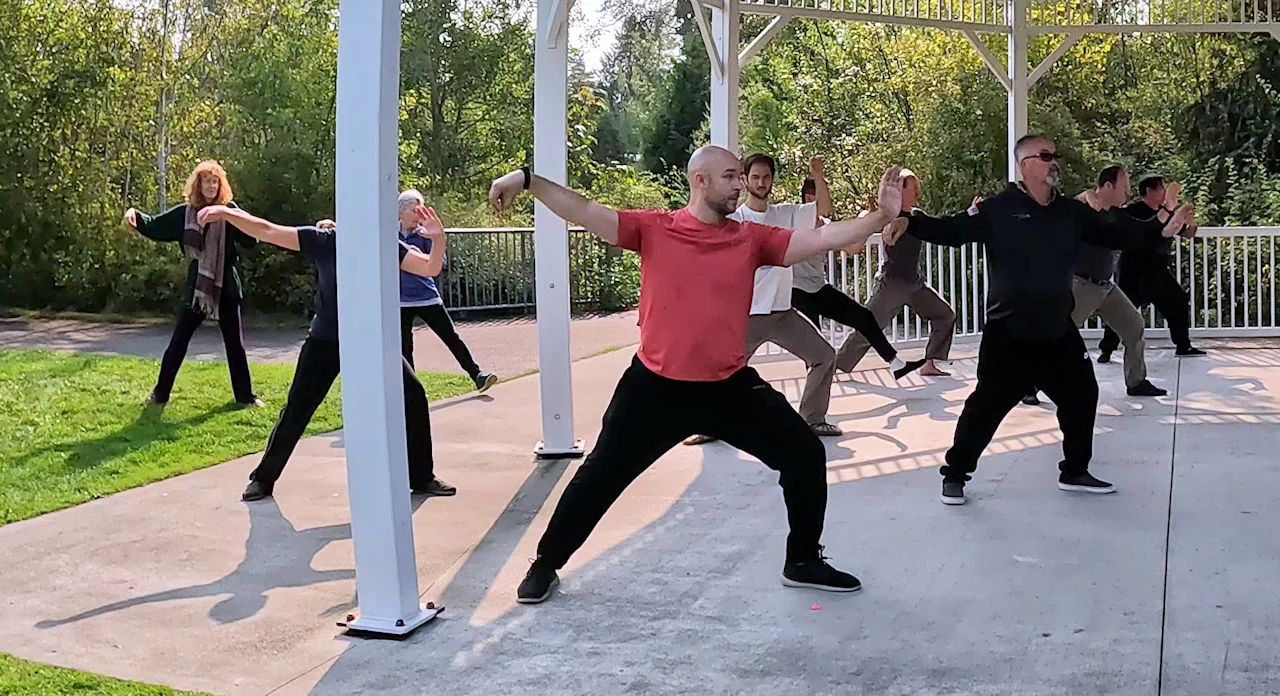
Posture, coordination, and connected movement give a sequence its structure. Watching a familiar posture can help you notice the relationship between the hands, feet, and direction of movement.
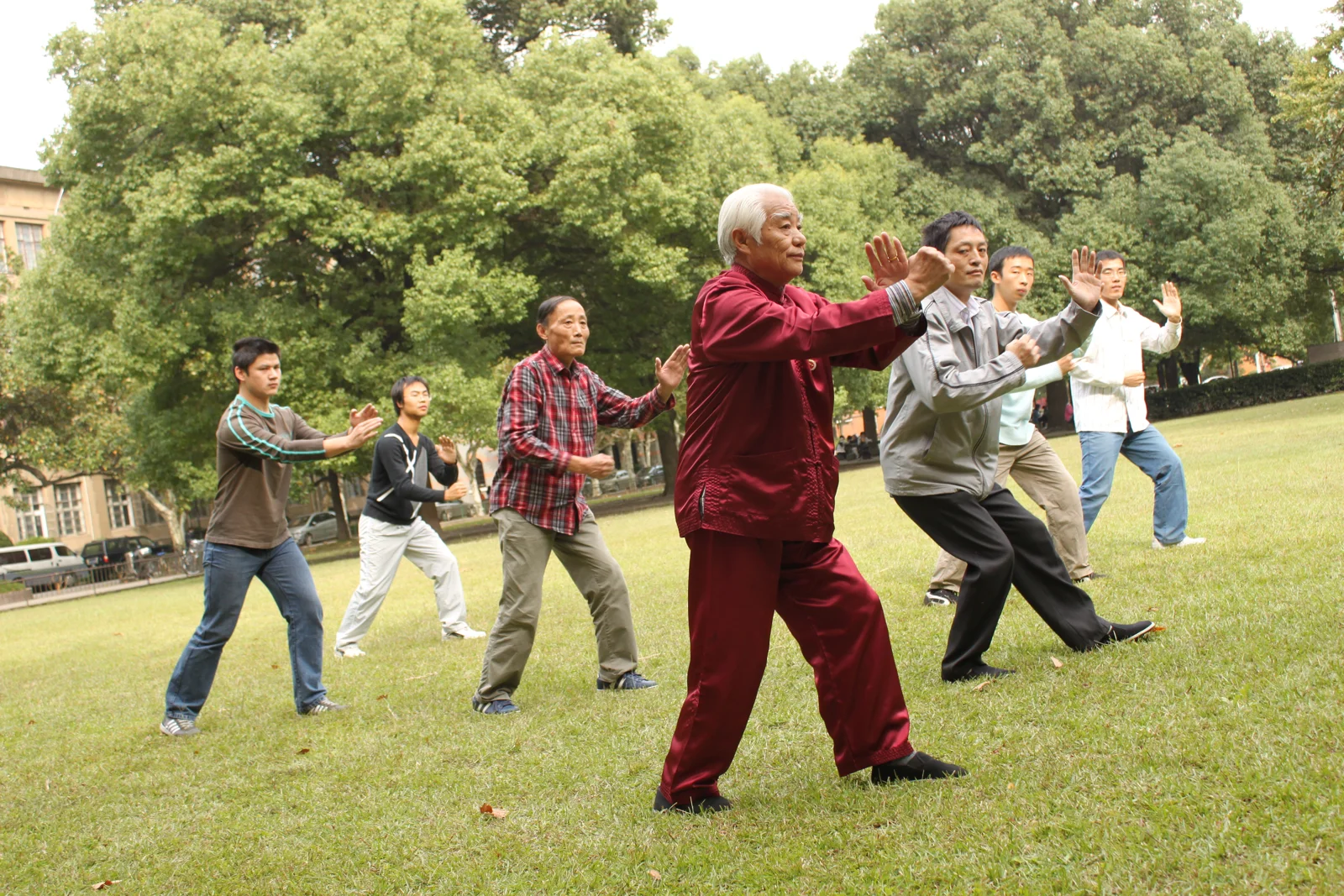
Tai Chi is studied and practiced around the world. Seeing people move together offers a sense of its shared rhythm, while each practitioner continues to work on individual understanding.
Familiar movements can become something you return to between classes. Ask your instructor which material to revisit so your practice time reinforces what you are learning.
SEE THE PRACTICE
Watch Robert’s Tai Chi video for a closer look at the practice and the school. Notice the pace of the movements and how one position leads into another. Watching can help you ask more specific questions before your first visit, even when the movements are entirely new to you.
A FEW GOOD QUESTIONS
Curious about your first class? Start with the questions most people have before trying something new: Do I need experience? What should I wear? Can I begin later in life? You can also call the school to discuss your own starting point.
All your questions, answered →No. You can begin Tai Chi without previous martial arts training. Early practice is about getting familiar with posture, weight shifts, and the way movements connect, rather than knowing a complete form. Give yourself permission to watch, ask questions, and repeat a movement. When you contact Red Dragon, say that you are a complete beginner so the school can help you choose an appropriate starting point.
Age alone does not decide whether you can start. Adults of many ages are drawn to Tai Chi for its deliberate movement and the opportunity to develop a regular practice. Your comfort, movement range, and individual needs matter more than keeping pace with another student. Let the instructor know about relevant limitations before attending. Ask a qualified healthcare professional if you are unsure whether a new activity is appropriate for you.
You do not need exceptional flexibility or athletic ability to begin. Learning Tai Chi takes attention and repetition, and the movements should stay within a comfortable range. A deeper stance is not automatically a better stance for a beginner. Start by understanding the movement rather than trying to imitate someone else’s range of motion. Discuss your starting point with Robert before your first class.
Choose comfortable clothes that let you move your arms, bend your knees, and turn without feeling restricted. Supportive footwear should fit securely and allow you to stand and step comfortably. You do not need to arrive looking like an experienced martial artist. Confirm any class-specific clothing or footwear requirements when you arrange your visit, and ask whether you need to bring anything else.
YOUR FIRST STEP
You don’t have to know the movements. Just start with a conversation.